
Fix-and-Flip Loans: How Does House Flip Financing Work?
Fix-and-flip loans are a form of short-term real estate investment financing designed to help investors purchase and renovate a property with the goal of reselling it. If you’re searching for fix-and-flip loans, house flipping loans, or flip financing, the key is clarity: how funds are structured, what documentation matters, and what timeline to expect so the deal stays on track.
Brad Hamblen Home Loans helps investors understand the process in plain language and build a clean, organized file—so you can move with confidence from offer to closing.
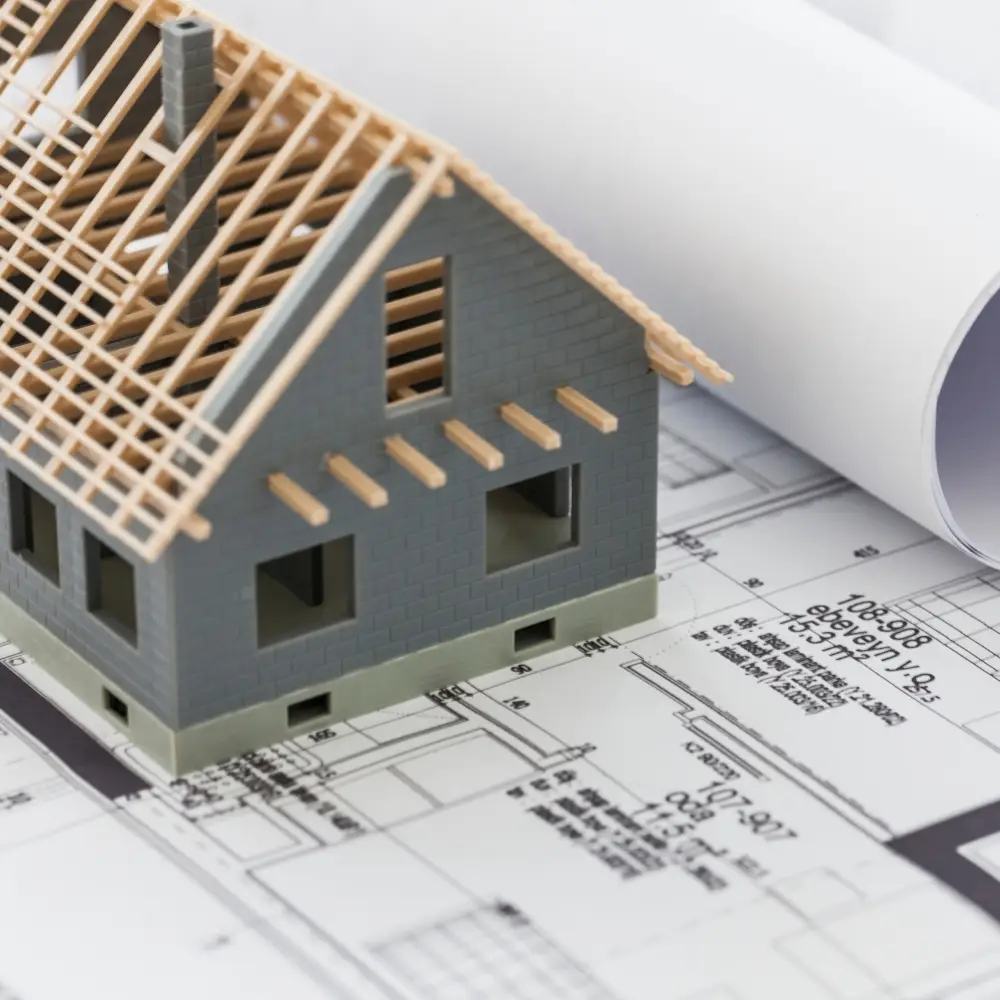
Quick Answer: Fix-and-Flip Loans for Real Estate Investors
If you’re looking for fix-and-flip financing, it’s typically built around two priorities: speed and a clear plan. Most flip scenarios require a realistic rehab budget, a timeline you can defend, and documentation that supports the exit strategy (sell or refinance). While many investors ask for “easy approval,” what actually wins is a clean, complete file that makes your numbers easy to underwrite.

Fix-and-Flip Loans in Northern Kentucky and Greater Cincinnati
Investors flipping properties in Northern Kentucky or Greater Cincinnati often need speed and clarity—especially when competing with multiple offers. Brad Hamblen Home Loans is based in Florence, KY and supports investors with an organized process: clear checklists, steady milestone tracking, and direct communication—so your fix-and-flip loan stays on track from first call to closing.

How Fix-and-Flip Loans Work
Fix-and-flip loans are typically short-term financing intended to cover acquisition and (in many scenarios) renovation costs—depending on the program structure and eligibility. Many investors use flip financing when they need faster execution than a traditional long-term mortgage, or when the property condition and timeline require a strategy built around renovations.
Common elements investors should plan for:
- A defined purchase + rehab scope
- A documented timeline (before/after milestones)
- A realistic exit strategy (sell, or refinance into a long-term loan when eligible)
- Clear expectations for how renovation funds may be released (often tied to progress)
External link (use this link text):

What Lenders Typically Review for House Flip Financing
Many people search “fix and flip loan requirements” because they want to know what matters most. While guidelines vary, underwriting usually becomes much easier when your file clearly explains the plan, the property, and the numbers.
What is commonly reviewed:
- Borrower profile (credit, liquidity, experience, and overall risk profile)
- Project plan (scope, contractors, timeline, budget breakdown)
- Property details (condition, location, intended improvements)
- Cash needed upfront (down payment expectations vary by scenario and product)
- Exit strategy (sale plan or refinance plan, depending on goals and timing)
- Reserves and contingencies (because rehab projects can shift)
If you want the fastest path to “yes,” the real key is an organized checklist and a plan that’s easy to validate.

Common Costs, Draws, and Timelines to Expect
Fix-and-flip deals move quickly, but the financing needs to match reality. Investors should plan for both the expected costs and the “what if” moments—because delays, permit timing, or scope changes can shift the schedule.
Common planning points:
- Renovation budgets should include a contingency (unexpected repairs happen)
- Timelines should account for contractor availability and inspection pacing
- Some structures may use interest-only payments for a period (depending on terms)
- Fast closings typically require clean documentation and quick turnarounds
External link (use this link text):
Your Fix-and-Flip Loan Process
You deserve a process that feels organized and steady from day one.

Step 1 — Confirm The Plan And Timeline
Schedule a call so we can map the property plan, rehab scope, and documentation checklist.

Step 2 — Build A Clean Approval File
We’ll organize the numbers, clarify what’s needed, and tighten the file to reduce delays.

Step 3 — Clear Updates Through Closing
You’ll get steady milestone tracking and direct communication so the closing stays organized.
Loan Guides and Comparisons
Want to compare options clearly as you plan your next move? Start with these five guides. We’ll continue adding new resources so buyers can compare loan choices with confidence.

Helpful Tools & Homebuyer Resources
Mortgage Calculators
Run quick scenarios to understand how price, down payment, and term impact the payment.
First-Time Homebuyer Guide
Get a step-by-step overview to reduce stress and avoid surprises.
Home Loan Readiness Checklist
A Comprehensive Guide to Ensure You Are Fully Prepared for Securing Your Home Loan Approval
Explore All Loan Options
Discover and thoroughly explore all of our diverse loan options available to you.
Fix-and-Flip Loan FAQs
Your Fix-and-Flip loan questions answered clearly and simply.
What are fix-and-flip loans?
Fix-and-flip loans are short-term financing options used by investors to purchase and renovate a property with the goal of reselling it. These loans are typically structured around speed and a defined project plan, rather than a long-term owner-occupied mortgage structure.
How do fix-and-flip loans work for house flipping?
In many flip scenarios, the financing plan supports the purchase and may support renovation costs depending on the program structure. The key is presenting a clean plan: purchase details, rehab budget, timeline, and a clear exit strategy (sell or refinance when eligible).
What are typical fix and flip loan requirements?
Requirements vary, but most lenders want a clear picture of your credit profile, liquidity, project scope, timeline, and exit plan. Even when a program is designed for investors, it still requires a complete file and verified documentation.
Do fix-and-flip loans require a down payment?
Often, yes—though the amount depends on the product, property, and borrower profile. A quick call is the fastest way to estimate what’s realistic for your plan and whether other structures may fit better.
Can I use rental income to qualify for a fix-and-flip loan?
Some investor-focused structures consider the property’s income potential differently than a traditional mortgage, but it depends on the product and guidelines. For flips, the primary question is usually the rehab plan and the exit strategy, not long-term rental qualification.
How fast can a fix-and-flip loan close?
Timelines depend on how quickly documentation is provided and how complete the file is on day one. The fastest closings typically happen when the purchase contract, rehab scope, budget, and borrower documentation are organized upfront.
Are fix-and-flip loans interest-only?
Some financing structures can allow interest-only payments for a period, depending on terms and eligibility. This can help cash flow during renovation, but it’s important to plan for how payments may change and how the loan will be repaid at exit.
What documents should I prepare for flip financing?
Most investors should be ready with identity and income documentation, asset statements, and a clear rehab plan (scope + budget + timeline). If you have an entity structure or multiple properties, organization matters even more to prevent underwriting delays.
What happens if rehab costs increase mid-project?
This is why a realistic budget and contingency plan are essential. Cost overruns may require scope adjustments, additional funds, or a revised timeline—depending on program structure and what’s allowed under the loan terms.
What’s the best first step if I’m considering a fix-and-flip?
Schedule a call. We’ll confirm whether flip financing is the right structure, outline your next-step checklist, and build a timeline that matches your property plan—so you’re not guessing as deadlines approach.
Service Area and Licensing
Office: 6900 Houston Road Unit 25, Florence, KY 41042
Phone: (859) 466-7230
Brad Hamblen (NMLS #52831) is licensed as a Mortgage Loan Originator in:
Florida, Georgia, Indiana, Kentucky, North Carolina, Ohio, South Carolina, Tennessee, Texas, Virginia
Ready to Fund a Fix-and-Flip With a Clear Plan?
Get a simple checklist, a realistic timeline, and clear next steps—so your flip stays organized from offer to closing.
Join Our Newsletter
Get our latest resource guides, informative mortgage news, and valuable insights to help you navigate the complexities of the home buying process sent right to your inbox.