
Mixed-Use Property Loans: Can I Finance a Home With a Business Space?
A mixed-use property loan is financing for a property that includes both residential and commercial use—for example, a building with an apartment above a storefront, a live/work setup, or a home with a clearly defined business unit. If you’re searching for mixed-use property loans, mixed use mortgage, or residential commercial property financing, the biggest challenge is usually clarity: how lenders define mixed-use, what rules apply, and what documentation makes approval smoother.
Brad Hamblen Home Loans keeps it organized and easy to follow—so you understand the requirements, your timeline, and the next best step.

Quick Answer: Mixed-Use Property Loans
If you’re asking “Can I get a mortgage for a mixed-use property?” the answer is often yes—when the residential portion remains the primary use and the property fits the lender’s guidelines. Mixed-use financing is usually evaluated on occupancy, property type, zoning/use, and risk, and it can require more documentation than a standard single-family purchase.
The fastest way to avoid delays is having a clear plan for: how the space is used, what portion is residential, and what income/tenancy (if any) should be counted.

Mixed-Use Property Loans in Northern Kentucky and Greater Cincinnati
In Northern Kentucky and Greater Cincinnati, mixed-use purchases can move quickly—and the details matter. Brad Hamblen Home Loans is based in Florence, KY and helps buyers structure mixed-use financing with clear checklists, steady milestone tracking, and direct communication—so your loan stays organized from contract to closing.
What Is a Mixed-Use Property Loan?
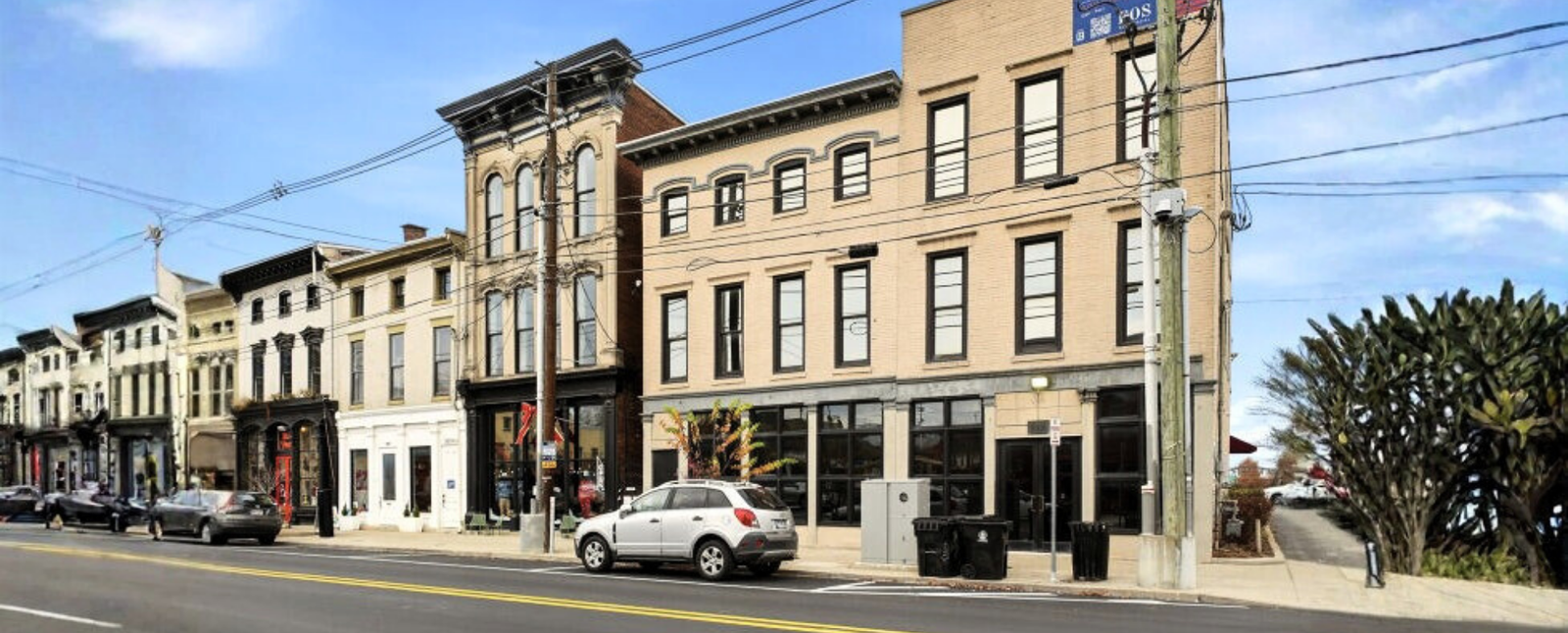
A mixed-use mortgage finances a property that has both a place to live and a space used for business or commercial purposes. Buyers often pursue mixed-use properties because they want to live close to work, purchase a building with additional income potential, or create a long-term plan that blends lifestyle and real estate strategy.
Common mixed-use scenarios:
- Apartment over retail (storefront + residential unit)
- Live/work property where the residential portion is clearly defined
- Residential building with a separate commercial unit
- Multi-unit with a small attached commercial space (case-by-case)
Mixed-use financing is not “one-size-fits-all,” so the best path is aligning the loan structure with how the property is actually used.
Mixed-Use Mortgage Requirements Overview
People often search mixed use mortgage requirements because approval depends on more than credit and income—it also depends on the property’s configuration and how lenders classify the risk.
What lenders typically review:
- Residential vs commercial percentage (how much is living space vs business)
- Intended occupancy (primary residence vs investment strategy)
- Property type and layout (separate entrances/units can matter)
- Income documentation (borrower income, business income, rental income—if applicable)
- Appraisal considerations (comparables and marketability are important)
- Lease terms (if any commercial or residential unit is leased)
External link (use this link text):

Occupancy, Zoning, and Mixed-Use Property Rules
With mixed-use financing, a major approval factor is often whether the property is still primarily residential and whether the use is consistent with local rules. Buyers commonly ask about zoning, tenant situations, and how “business use” affects qualification.
Key points to plan for:
- Primary residence matters: many programs expect you to live in the residential portion
- Zoning/use: the property’s permitted use should align with how it’s being used
- Commercial income: may require documentation and clear lease terms if counted
- Property marketability: the appraisal must support value and typical market demand
External link (use this link text):
Your Mixed-Use Loan Process
You deserve a process that feels organized and steady from day one.

Step 1 — Confirm The Property Strategy
Schedule a call so we can confirm how the property is used, what guidelines likely apply, and what documentation you’ll need.

Step 2 — Build A Clean Approval File
We’ll organize income, leases (if any), occupancy plans, and property details to reduce underwriting friction.

Step 3 — Clear Updates Through Closing
You’ll receive steady communication and milestone tracking so the process stays organized.
Loan Guides and Comparisons
Want to compare options clearly as you plan your next move? Start with these five guides. We’ll continue adding new resources so buyers can compare loan choices with confidence.

Helpful Tools & Homebuyer Resources
Mortgage Calculators
Run quick scenarios to understand how price, down payment, and term impact the payment.
First-Time Homebuyer Guide
Get a step-by-step overview to reduce stress and avoid surprises.
Home Loan Readiness Checklist
A Comprehensive Guide to Ensure You Are Fully Prepared for Securing Your Home Loan Approval
Explore All Loan Options
Discover and thoroughly explore all of our diverse loan options available to you.
Mixed-Use Property Loan FAQs
Your Mixed-Use Property loan questions answered clearly and simply.
Can I get a mortgage for a mixed-use property?
Often, yes—if the property meets program rules and the residential portion is the primary use under the lender’s guidelines. Mixed-use properties usually require additional review compared to a standard single-family home.
What qualifies as a mixed-use property?
A mixed-use property combines residential space with commercial/business space—such as an apartment above a storefront or a building with a residential unit plus a separate commercial unit.
Are mixed-use property loans considered residential or commercial?
It depends on the property’s configuration and the percentage of residential vs commercial use. Some mixed-use deals may still qualify under residential mortgage guidelines, while others require alternative structures.
Do mixed-use mortgage requirements differ from conventional loans?
Yes. Mixed-use financing often includes extra review of property type, zoning/use, marketability, and lease documentation. The income and occupancy plan also matters more.
Can rental income be used to qualify for a mixed-use mortgage?
In some cases, rental income may be considered when documented properly and allowed by guidelines. Whether it can be counted depends on the program, leases, and underwriting rules.
Does the business space need to be owner-occupied?
Not always, but occupancy expectations commonly focus on the residential portion being the borrower’s primary residence for many loan types. Your scenario should be matched to the right structure.
What documents help mixed-use loans get approved faster?
A clear property description, occupancy plan, and any lease agreements (if applicable) can reduce delays. You should also be ready with income, asset, and identification documentation like any mortgage file.
How does zoning affect mixed-use financing?
Zoning/use should be consistent with how the property is used. If the property’s permitted use is unclear, underwriting can slow down while documentation is reviewed.
How long does a mixed-use property loan take to close?
Timelines vary by documentation readiness, appraisal complexity, and underwriting conditions. The fastest path is a clean checklist and quick turnarounds on requested items.
What’s the best first step if I’m considering a mixed-use property?
Schedule a call. We’ll confirm how the property fits guidelines, outline the exact documentation needed, and build a realistic timeline—so you’re not guessing after you go under contract.
Service Area and Licensing
Office: 6900 Houston Road Unit 25, Florence, KY 41042
Phone: (859) 466-7230
Brad Hamblen (NMLS #52831) is licensed as a Mortgage Loan Originator in:
Florida, Georgia, Indiana, Kentucky, North Carolina, Ohio, South Carolina, Tennessee, Texas, Virginia
Ready to Finance a Mixed-Use Property With a Clear Plan?
Get a simple checklist, a realistic timeline, and clear next steps—so your purchase stays organized from start to close.
Join Our Newsletter
Get our latest resource guides, informative mortgage news, and valuable insights to help you navigate the complexities of the home buying process sent right to your inbox.