
Temporary Rate Buydown (2-1 Buydown): Is It Worth It for My Mortgage?
A temporary rate buydown (often called a 2-1 buydown or 1-0 buydown) is a strategy that can reduce your monthly payment for the first one to two years of the loan—usually through funds paid by the seller, builder, or sometimes the buyer (depending on program rules and eligibility). The goal is to make the early years more affordable while keeping the mortgage process clear and predictable.
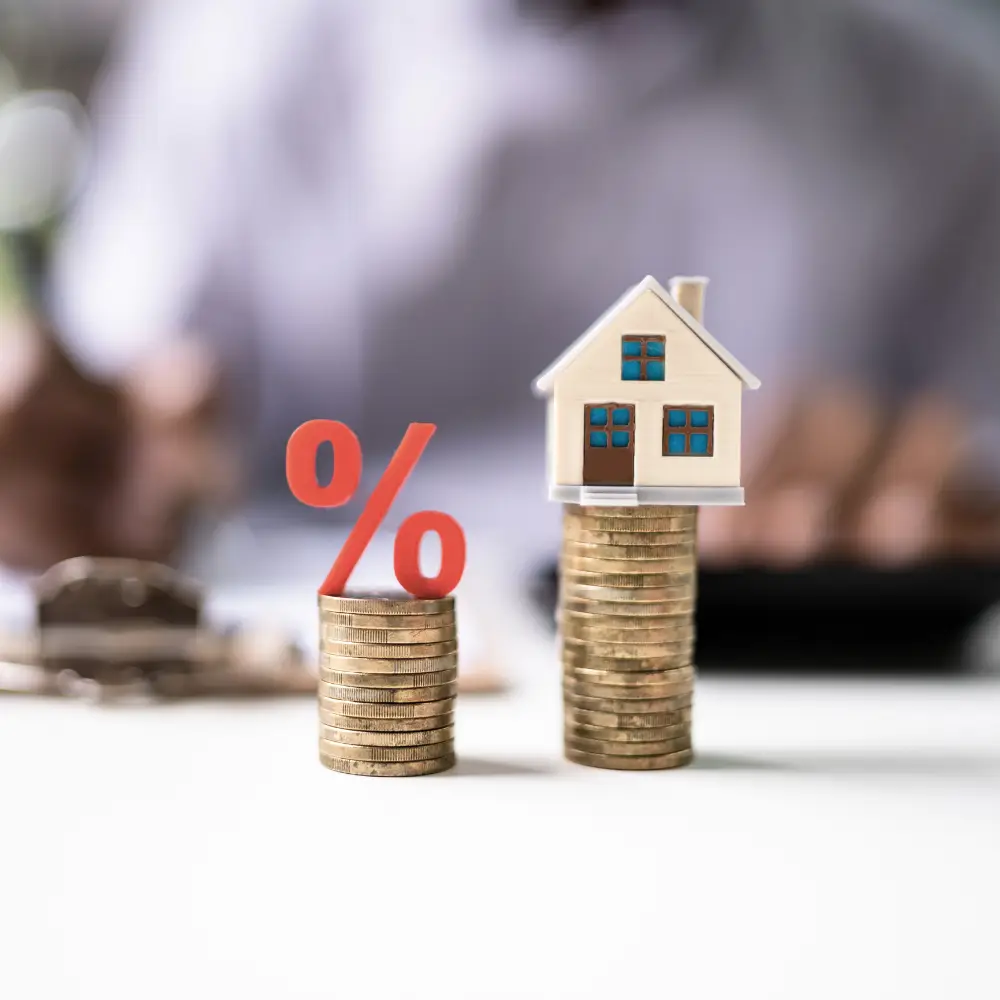
Quick Answer: How Does a 2-1 Buydown Work?
A 2-1 buydown is a type of temporary interest rate buydown where the effective rate (and payment) is reduced at the start and then steps up until it reaches the full note rate. Many temporary buydowns reduce payments for the first year or two in exchange for an upfront buydown fund arrangement.
This can be helpful when:
- You want payment breathing room early (moving costs, childcare, furnishing, transition period)
- You expect income to increase (new job ramp, commission cycle, partner returning to work)
- You want clearer affordability while you settle in

Temporary Rate Buydowns in Northern Kentucky and Greater Cincinnati
In Northern Kentucky and Greater Cincinnati, a temporary buydown can be a smart negotiation tool—especially when sellers, builders, or credits are part of the offer structure. Brad Hamblen Home Loans is based in Florence, KY and supports buyers with an organized process: a clear checklist, steady milestone tracking, and direct communication—so your buydown strategy stays clean from offer to closing.

Buydown vs Discount Points: What’s the Difference?
People often confuse temporary buydowns with discount points.
- Discount points (also called “points”) are a fee paid at closing to reduce your interest rate, often for the life of the loan. The CFPB explains points as a tradeoff: pay more upfront to lower the rate, or take lender credits to lower upfront costs with a higher rate.
- A temporary buydown typically reduces the early payment period and then steps up to the full payment.
If you’re trying to decide between the two, the right question is:
“Do I want a lower payment temporarily, or a lower rate long-term?”

What Is a Temporary Rate Buydown (2-1 or 1-0)?
A temporary rate buydown is different from a permanent rate reduction. Instead of changing your note rate for the entire loan, it reduces the payment for a limited time using buydown funds set aside at closing (often in an escrow-style arrangement).
Common formats you’ll hear:
- 2-1 buydown: reduced payment year 1, smaller reduction year 2, then full payment
- 1-0 buydown: reduced payment year 1, then full payment
- (Sometimes other step structures exist, depending on the program and eligibility)
What matters most is that the buydown is documented correctly and aligned with your loan program requirements.

When a Temporary Buydown Is a Smart Strategy
A temporary buydown can be useful when it fits a real plan (not just a “hope it works out” plan). Strong use cases include:
You want payment comfort early
- Transitioning from rent + deposits + moving costs
- Paying for repairs or updates after closing
- Managing childcare or temporary expenses
You want a stronger offer structure
- Seller/builder credits can sometimes be directed into a buydown strategy (depending on program rules and negotiation)
You want a clear timeline
- You can plan for the payment step-up because it’s predictable and scheduled
However, it’s not ideal when the only plan is “I’ll refinance later.” Rates and refinance eligibility can change, so the best approach is to structure today’s loan around today’s reality.
Your Temporary Buydown Loan Process
You deserve a process that feels organized and steady from day one.

Step 1 — Confirm The Right Strategy
We’ll review your purchase scenario, estimate the payment step-up schedule, and confirm whether a temporary buydown is allowed for your loan type.

Step 2 — Build A Clean Pre-Approval File
We’ll confirm your income, assets, and documentation checklist—then ensure your offer structure supports the buydown correctly.

Step 3 — Clear Updates Through Closing
You’ll get steady communication and milestone tracking so the process stays organized.
Ready to Book Your Refinance Consultation?
Refinance can lower your payment, reduce interest over time, or help you use equity strategically. Schedule a consultation to review your goals, numbers, and best-fit loan options—then get clear next steps.
What We’ll Cover on Your Refinance Call
Your current loan details, payment goals, and timeline
Rate/term options vs. cash-out refinance scenarios
Estimated costs, savings potential, and break-even timing
Credit, income, and equity factors that impact approval
A simple plan to move forward (or confirm staying put)
Schedule a Refinance Consultation:
Book a no-pressure call to discuss your budget, timeline, and loan options—so you can move forward with a clear pre-approval and next steps.
Temporary Buydown Guides and Comparisons
Want to learn the basics now and go deeper over time? Start with these resources first so buyers can compare options clearly:

Helpful Tools & Homebuyer Resources
Mortgage Calculators
Run quick scenarios to understand how price, down payment, and term impact the payment.
First-Time Homebuyer Guide
Get a step-by-step overview to reduce stress and avoid surprises.
Home Loan Readiness Checklist
A Comprehensive Guide to Ensure You Are Fully Prepared for Securing Your Home Loan Approval
Explore All Loan Options
Discover and thoroughly explore all of our diverse loan options available to you.
Temporary Rate Buydown FAQs
Your Temporary Rate Buydown questions answered clearly and simply.
How does a 2-1 buydown work?
A 2-1 buydown is a temporary payment-reduction structure. The payment is lower at the start and then increases in planned steps until it reaches the full payment amount. The CFPB describes temporary buydowns as lowering payments early in exchange for an upfront arrangement.
Is a 1-0 buydown different?
Yes. A 1-0 buydown typically lowers the payment for the first year only, then the loan moves to the full payment amount afterward. The exact format must match program rules and the closing documentation.
Who usually pays for a temporary buydown?
Often the seller or builder funds a temporary buydown as part of negotiations or incentives, but the allowable source depends on the loan program and guidelines. This is why the offer structure matters early.
Is a temporary buydown the same as paying discount points?
No. The CFPB explains discount points as a tradeoff where you pay more at closing to reduce your interest rate (often long-term), while a temporary buydown generally reduces payments only for a limited time.
Do I have to qualify at the lower buydown payment?
In most cases, underwriting focuses on ensuring you can afford the payment structure as required by the program (often the full payment). The correct answer depends on the loan type and the buydown terms, so we confirm this upfront during planning.
What happens when the buydown period ends?
Your payment steps up to the scheduled amount, and then you continue with the standard payment structure for the remainder of the loan.
Can a temporary buydown be used with any loan type?
Not always. Eligibility depends on the program (conventional, FHA, VA, etc.), lender overlays, and the specifics of the purchase contract. We verify whether a temporary buydown is permitted for your scenario before you write the offer.
Is a temporary buydown worth it if I plan to refinance?
It can be, but it shouldn’t rely on refinancing as the only plan. Refinancing depends on future rates, market conditions, and qualification. The strongest buydown strategies still make sense even if you never refinance.
Does a temporary buydown reduce my interest rate permanently?
No. A temporary buydown reduces payments for a limited time. If you want a permanent interest rate reduction, that’s typically done through pricing choices such as discount points (if appropriate).
What’s the best first step if I’m considering a temporary buydown?
Schedule a call so we can confirm: (1) whether you’re eligible for a temporary rate buydown, (2) what the step-up timeline looks like, and (3) how to structure the offer so your closing stays clean.
Service Area and Licensing
Office: 6900 Houston Road Unit 25, Florence, KY 41042
Phone: (859) 466-7230
Brad Hamblen (NMLS #52831) is licensed as a Mortgage Loan Originator in:
Florida, Georgia, Indiana, Kentucky, North Carolina, Ohio, South Carolina, Tennessee, Texas, Virginia
Ready to Lower Your Payment Early With a Temporary Rate Buydown Plan?
Get a simple checklist, a clean offer strategy, and a clear step-up timeline—so your next move feels organized from start to close.
Join Our Newsletter
Get our latest resource guides, informative mortgage news, and valuable insights to help you navigate the complexities of the home buying process sent right to your inbox.